
A total on its own tells you almost nothing. A quotation is a description of the work, and the price is the last line of it. When people find themselves comparing a cheap quote with an expensive one, nine times out of ten they are comparing two different jobs. Here is what should be written down before you make a decision, on ours and on anybody else's.
Need this sorted?
Roof Repairs & Leaks from Larke's Roofs.
The written scope
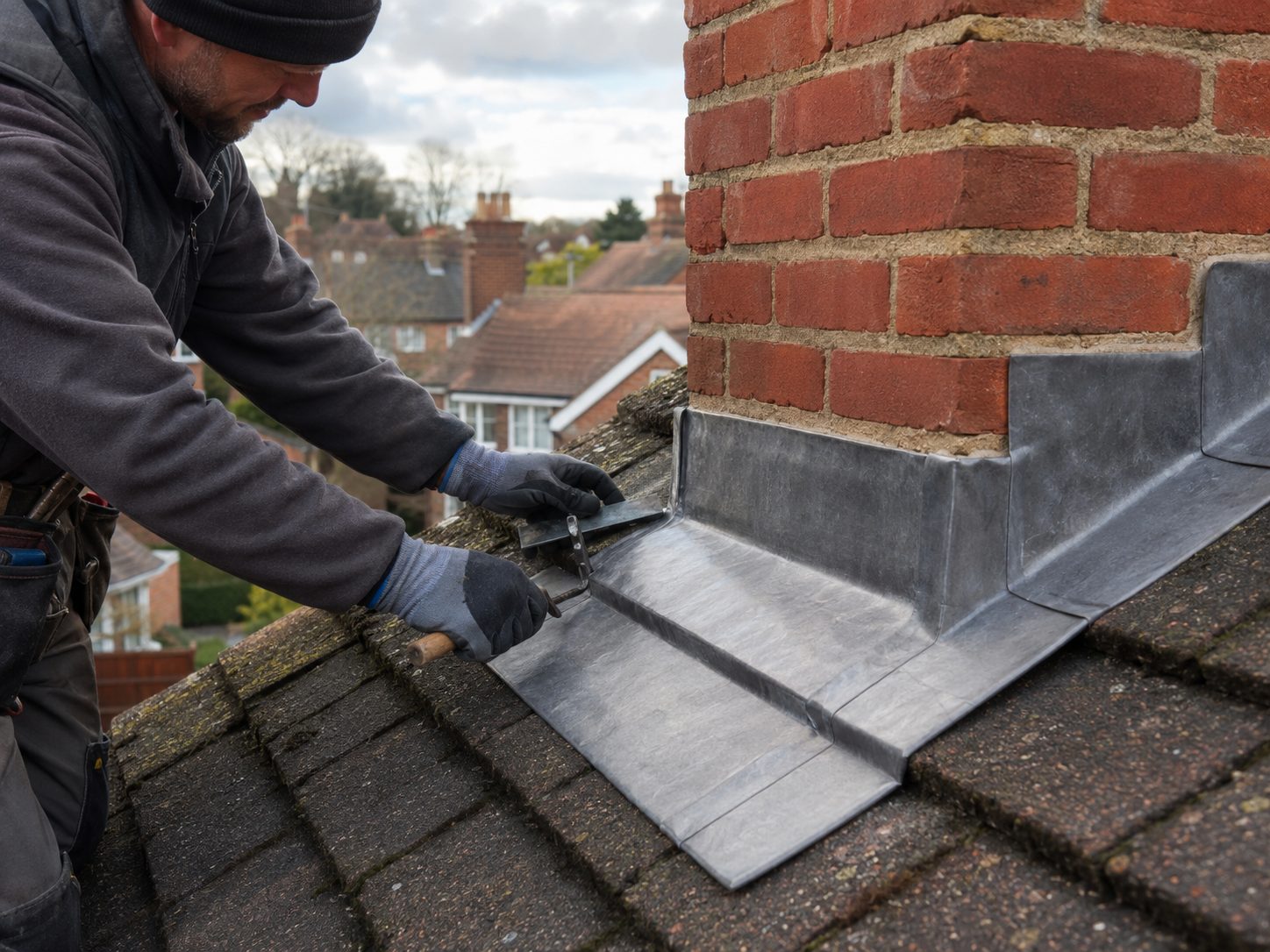
The quote should say what is being stripped, what is being renewed, what is being reused and what is being left alone. If your roof has a chimney and the quote never mentions it, you do not know whether the flashings are included.
- Which slopes and elevations are covered
- Strip and dispose, or overlay
- Battens and membrane specified by type
- Ridge, hip and verge method, mortar or dry-fix
- Lead work by location and code
- Guttering, fascia and soffit, included or excluded
Named materials
Tiles, membranes and dry-fix systems vary widely within the same category. A quote that names the product lets you check it. A quote that says 'new tiles' does not, and it also leaves room for a cheaper substitution once work starts.
Roof Repairs & Leaks
- Leak tracing and repair
- Slipped and broken tiles
- Storm damage repairs
Provisional items and how extras are handled
Every honest re-roof quote has an unknown in it, because rafter feet and wall plates cannot be seen through the covering. What matters is that the quote states the allowance, states the rate for additional timber, and states that anything beyond it is agreed with you in writing before it is carried out. That is the difference between a variation and a surprise.
The paperwork behind the price
We are a family run business and we put this in writing as a matter of course. It is reasonable to expect the same from anyone quoting on your home.
- Company name, address and contact details on the document
- Confirmation the contractor is fully insured
- The workmanship guarantee and what it covers
- Payment terms and stages, agreed before work starts
- Expected start window and duration
- Waste disposal and site clearance included
Questions worth asking before you sign
Ask who is actually doing the work. Ask what happens if the weather stops the job halfway through the strip. Ask how the roof will be made watertight overnight. Ask what the guarantee excludes. The answers tell you more about a roofer than the total does.
Want a professional to handle it?
Common questions
How many quotes should I get?
Two or three is plenty, provided you compare the written scope rather than the totals. More quotes on an unclear scope just gives you more numbers.
Should I be worried by the cheapest quote?
Not automatically. Ask what the other quotes include that it does not. Sometimes the answer is efficiency, and sometimes it is scaffolding, lead or disposal that has been left out.
Is a verbal price binding?
Treat it as an indication only. Ask for it in writing, which costs you nothing and protects both sides. Our quotations are free and always written.
Should I pay a deposit?
Materials-related payment stages are normal on larger works, but they should be agreed in writing before anything starts and set out on the quotation. Never pay in full up front.
What guarantee do you provide?
Our work carries a written guarantee, and we are fully insured. The terms come with the quotation so you can read them before you commit.
Related services
Covering Norwich and Norfolk.